Top Stories
Mining
Gemstone miner concerned with MMRA’s licence cancellation threat
July 12, 2026 / Jacqueline MONJEZA
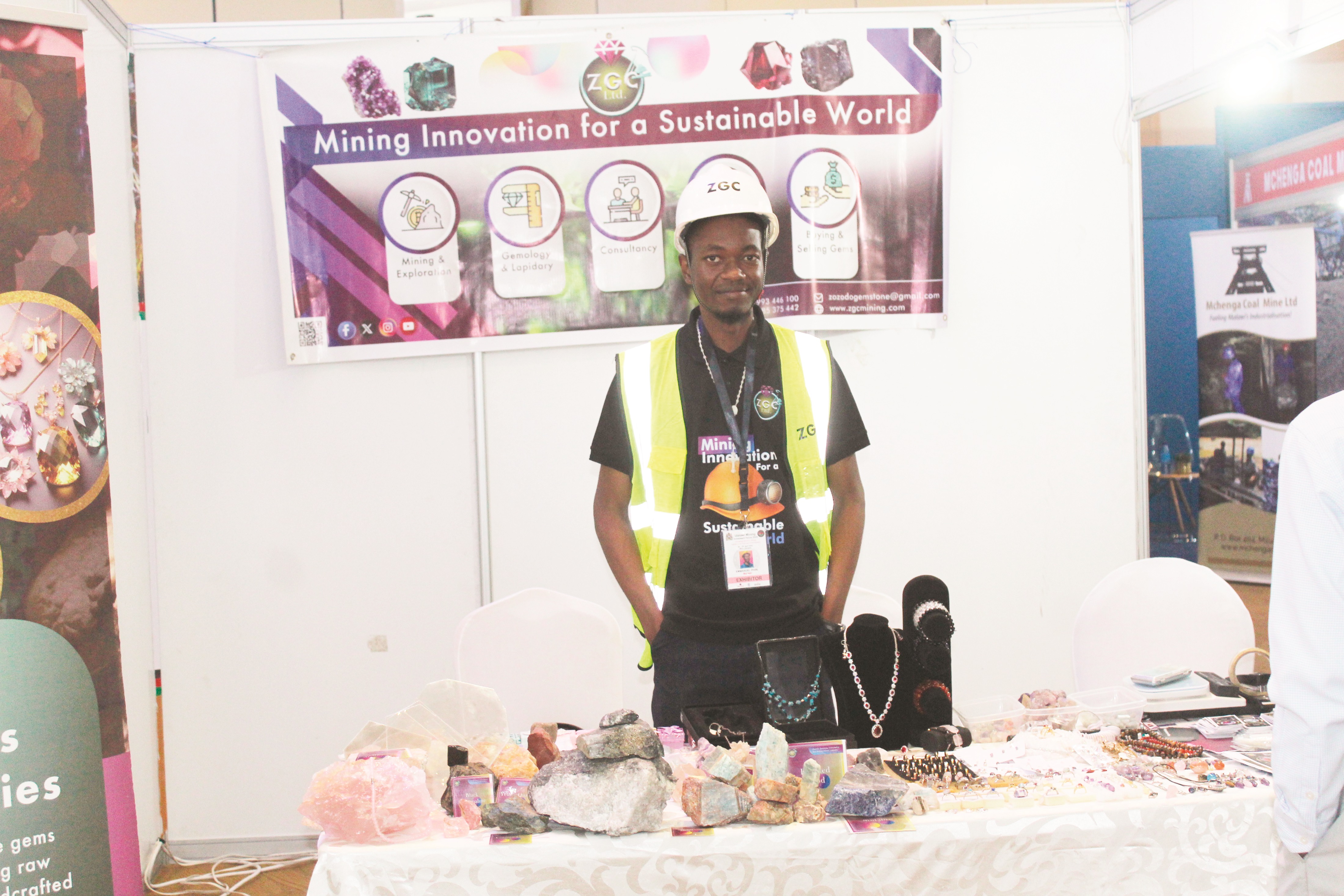
Gemstone miner, ZiGems, has expressed concern over the move by the Mining and Minerals Regulatory Authority (MMRA) to cancel mining licences for those operators considered non-compliant to terms and conditions of their licences.
The MMRA announced in a Press Release that it had completed a nationwide Mineral Licence Compliance Audit covering the period 2020 to 2025.
It reported that the audit revealed widespread non-compliance across the sector, including but not limited to non-payment of ground rent and mineral royalties, failure to submit statutory reports, and holding of inactive or dormant licences.
It, therefore, gave all non-compliant licence holders 30 days to settle all outstanding fees, ground rent, and royalties; submit all outstanding statutory reports; and regularise compliance with all applicable licence conditions.
“Failure to comply within the stipulated period will result in cancellation of licences in accordance with the Mines and Minerals Act, 2023. Affected licence holders will be formally notified through individual notices of cancellation issued to their registered addresses in the Mining Cadastre,” said MMRA.
But Technical Advisor for ZiGems Johnstone Soko said the impact of licence cancellation could be severe and far reaching at a time when many mining businesses are still experiencing the effects of the government export ban on raw minerals, which has significantly reduced access to international markets.
“Any cancellations at this stage will effectively kill the future of most Artisanal small scale mining (ASM) operators who are barely surviving,” Soko explained, warning that this has the potential to wipe out the ASM industry already under strain.
While the MMRA’s move is intended to enforce compliance with regulatory requirements, Soko argued that the underlying causes of non-compliance must first be addressed since many firms are failing to meet the stipulated conditions not out of defiance but due to limited awareness and capacity to properly compile statutory reports.
“Additionally, the financial burden of meeting ground rent obligations has proven challenging for operators in the current economic climate,” he said.
Soko recommended a more balanced approach suggesting that authorities should prioritize stakeholder sensitization, helping firms understand how to compile and submit reports in line with the law.
He also said non- compliant companies should be given adequate time to settle overdue payments before punitive measures are applied.
“There is a need to for a phased approach starting with education, followed by warnings and fines rather than immediate threats of licence cancellation,” Soko said.
He explained that compiling accurate records and settling accumulated debts require time, particularly for businesses that have fallen significantly behind hence many licence holders are struggling to meet both reporting and financial obligations within the 30-day period.
Clarity of compliance requirements being another key concept raised, Soko argued that existing guidelines do not adequately reflect the complexities of mining operations making it difficult for firms to accurately report their activities.
“The lack of clarity is discouraging compliance altogether, with some operators choosing to continue working informally rather than navigating what they perceive as a confusing system. In extreme cases, businesses are operating without valid licences after expiry, especially if they have already established a foothold in the market,” he said.
Share this:
Leave a Comment
Comments
Mining & Trade Review News

Agribusiness News

Subscribe to Newsletter
Rehabilitation:
The establishment of a stable and self-sustaining ecosystem, but not necessarily the one that existed before mining began. In many cases, complete restoration may be impossible, but successful remediation, reclamation, and rehabilitation can result in the timely establishment of a functional ecosystem.
Archives
Remediation:
The cleanup of the contaminated area to safe levels by removing or isolating contaminants. At mine sites, remediation often consists of isolating contaminated material in pre-existing tailings storage facilities, capping tailings and waste rock stockpiles with clean topsoil, and collecting and treating any contaminated mine water if necessary.
Stakeholders Logos